The most common way an Italy trip disappoints has nothing to do with hotels. It is arriving in Rome to find the Vatican Museums sold out for your dates, or in Milan to learn the Last Supper went weeks ago. Most of Italy's headline sights now use timed entry, and each opens on its own schedule.
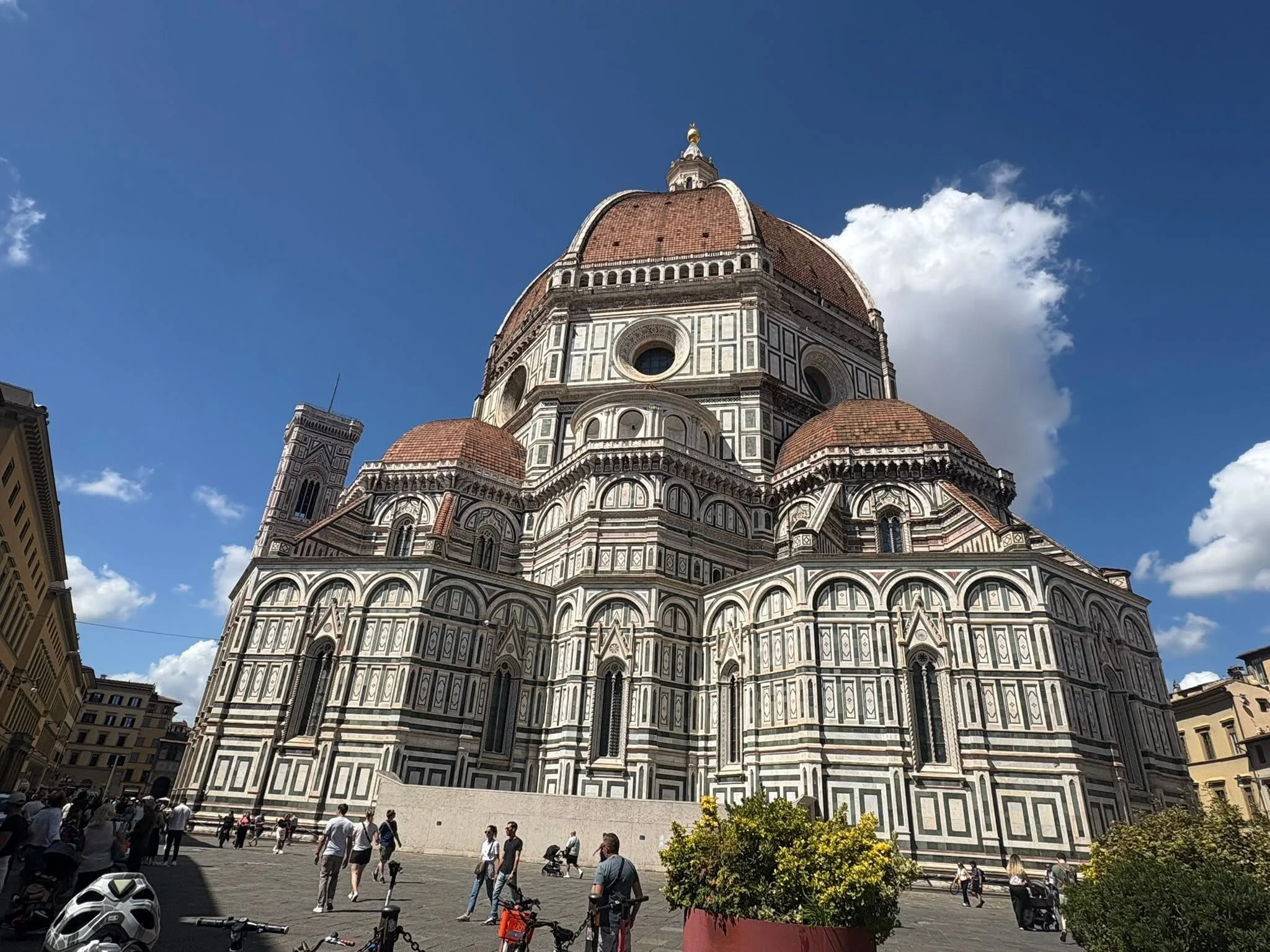
The Vatican Museums release about sixty days ahead and sell out in high season. The Colosseum releases thirty days ahead, in the morning Rome time, and the arena floor and underground tickets go almost immediately. In Florence, the Uffizi should be booked a month or more out and the Accademia, home of the David, closer to two. The Last Supper in Milan is released in quarterly batches and is gone within minutes.
Venice is different. On set dates the city charges day visitors an access fee. Overnight hotel guests are exempt, but they have to register and carry the confirmation, which is the kind of detail that is easy to miss and annoying to sort out on the day.
What I do is simple and unglamorous. Once your dates are fixed, I put every release date on a calendar and book each entry the morning it opens. For the sights that sell out anyway, I hold places on licensed guided tours as the fallback, because tour operators keep pre-secured allocations. There is no secret door, only a calendar and someone watching it.
The order of the cities matters too. If the Colosseum releases thirty days out and the Vatican sixty, a Rome-first itinerary and a Rome-last itinerary have different booking windows. I sequence the trip before I book anything so the calendar works in your favor.
If you already have flights and a rough plan, bring them. Existing reservations can usually be folded into the plan, and the calendar is the part most people are relieved to hand off.