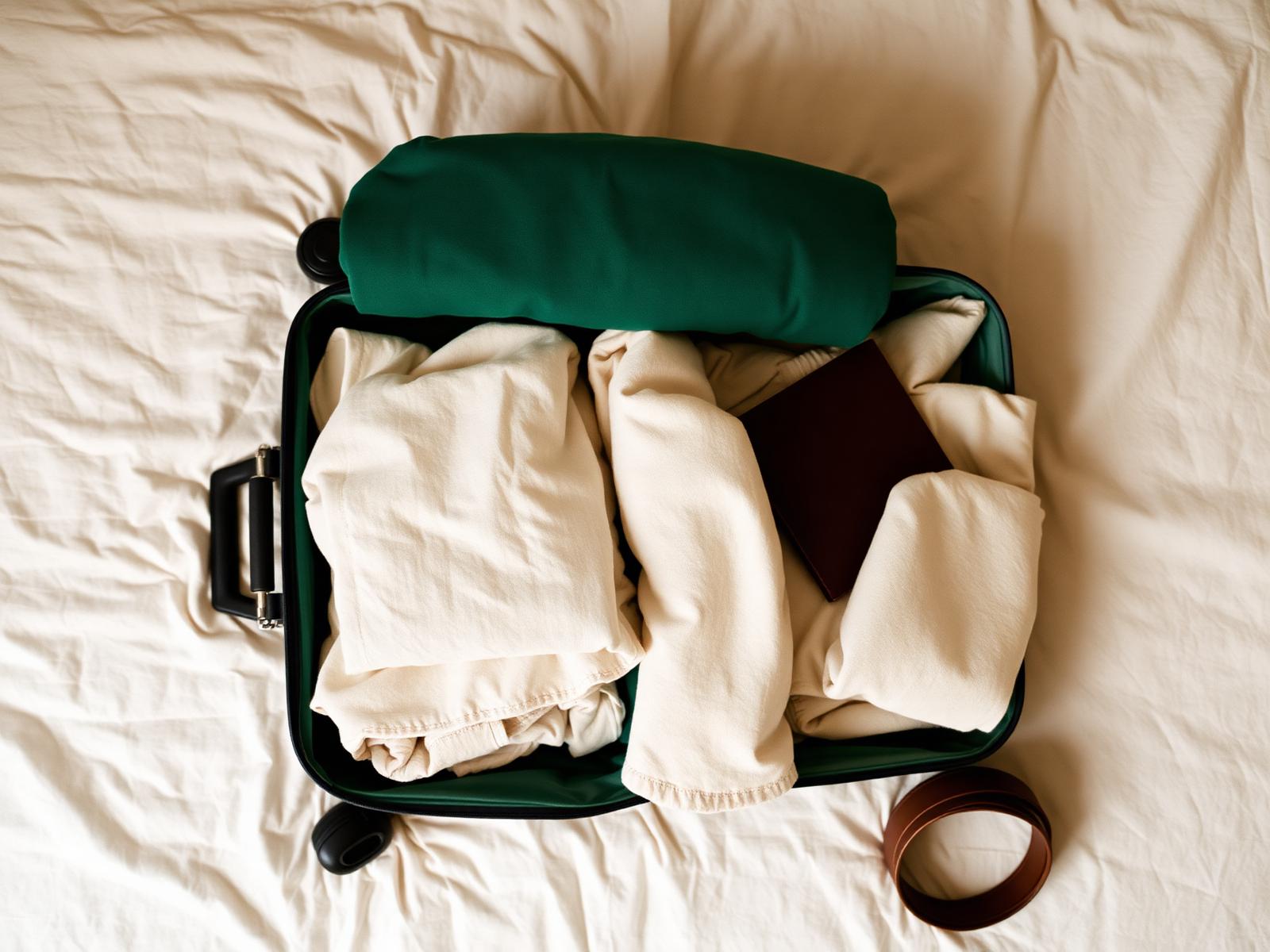
Yes, you can pack for two weeks in Europe in a carry-on. The key is to bring roughly one week of mix-and-match clothing, plan to do laundry, and limit yourself to two versatile pairs of shoes. Adjust your layers for the weather and check the baggage allowance for every flight on your itinerary before choosing your suitcase.
There’s something lovely about arriving in Europe with a bag you can comfortably manage yourself. Train platforms feel simpler. Moving between hotels takes less effort. And getting dressed each morning becomes easier when everything in your suitcase works together.
Packing light starts with a few thoughtful decisions about the trip you’re actually taking.
Start With Your Itinerary
Before pulling anything from your closet, picture your days.
Will you be walking through cities, spending afternoons by the coast, or heading into the mountains? Does your itinerary include a restaurant with a dress code? Will you change hotels frequently, or have one comfortable base?
A suitcase for a September trip through Rome and the Amalfi Coast will look different from one for December in Vienna.
Check the forecast for each stop shortly before departure. Then build your packing list around your activities, expected temperatures, and access to laundry.
A useful rule: every bulky item should earn its space through repeated use.
A Carry-On Packing List for Two Weeks in Europe
For a mild-weather trip with sightseeing, relaxed dinners, and laundry available, use this as a starting point. These quantities include what you wear on the plane.
ItemSuggested quantityWhat to look forEveryday tops5Comfortable pieces that work with several bottomsBottoms3A mix of trousers, skirts, or shorts suited to your itineraryDinner-ready outfit1A dress or separates you can also wear another daySweater or cardigan1An easy layer for cool mornings and eveningsOuter layer1A lightweight jacket suited to the forecastUnderwear7–8Enough to reach your planned laundry stopSocks4–7 pairsAdjust for your shoes and activitiesSleepwear1 setLightweight and easy to washShoes2 pairs totalWalking shoes plus one versatile alternativeAccessoriesA fewA scarf, belt, or jewelry to vary familiar outfitsActivity-specific piecesAs neededSwimwear, hiking clothing, or other itinerary essentials
For colder trips, swap in warmer pieces and wear your bulkiest coat and shoes in transit. Hot-weather trips may need more frequent laundry, particularly for tops.
Build a Wardrobe That Works Together
Choose two or three base colors you enjoy wearing, then add a few complementary pieces.
Navy, cream, and denim might work beautifully. So might black, white, and olive. The point is to make it easy to reach into your suitcase and find an outfit.
Before packing, lay everything out and assemble a few combinations:
- An outfit for a long sightseeing day.
- Something comfortable for a train journey.
- A dinner outfit.
- An option for a cooler or rainy day.
If a piece only works with one other item, reconsider whether it deserves the space.
Choose fabrics you already know feel comfortable and travel well. Lightweight knits and wrinkle-forgiving blends can be useful; linen also works if you’re happy with its naturally relaxed appearance.
Keep Shoes to Two Pairs
Shoes are often the biggest obstacle to packing light.
Start with a comfortable walking pair you’ve already worn for several full days. Add a second pair that suits your plans—perhaps supportive sandals, loafers, or flats you can wear to dinner.
Wear the bulkier pair on the plane.
If your itinerary includes serious hiking or an event requiring specific footwear, adjust accordingly. A packing list should support your trip, including the activities you’re most excited about.
Plan Laundry Before You Leave
Packing for seven days and washing clothes during the trip is what makes a two-week carry-on wardrobe practical.
Before departure, check whether your accommodation offers laundry service, self-service machines, or an in-room washer. Confirm prices and turnaround times for hotel services so you can plan around them.
Aim for a laundry stop around day six or seven. Small items can sometimes be hand-washed between stops, provided you have enough drying time.
If you’re relying on air-drying, avoid washing your only comfortable trousers the evening before an early departure.
Simplify Toiletries
Pack the products you use every day in quantities appropriate for the trip. Confirm which essentials your accommodation supplies, then decide what you’re comfortable leaving at home.
For departures from EU airports, the published general rule is liquids in containers of no more than 100 ml, placed in one transparent, resealable bag with a capacity of no more than one liter. Check your departure and connecting airports’ current instructions before flying. European Commission guidance
A compact toiletry kit might include:
- Toothbrush and toothpaste.
- Cleanser, moisturizer, and sunscreen.
- Deodorant.
- Essential hair products.
- A small makeup kit, if you use one.
Keep essential medication accessible and check any applicable requirements separately.
Check Every Flight’s Carry-On Allowance
A suitcase labeled “carry-on” still needs to meet your airline’s rules.
Check the permitted dimensions, weight, number of bags, and what your booked fare includes for every flight—including shorter flights within Europe. Airlines publish their own allowances, which can depend on the booking. Lufthansa baggage guidance
If you’re bringing a personal item, choose one that fits the applicable allowance and is comfortable to carry alongside your suitcase.
Keep your passport, phone, essential medication, valuables, and anything you need during the journey in an accessible bag. You’ll also want those essentials easy to remove if your suitcase needs to be checked at the gate.
Pack for Easy Access
Packing cubes can help separate clothing and keep your suitcase organized as you move between hotels. Choose lightweight ones and remember that compressing clothing doesn’t reduce its weight.
Keep toiletries accessible for security screening. Protect clothing from shoe soles with a simple shoe bag, and leave some breathing room in the suitcase.
Before you finish, close the bag, weigh it, and carry it around your home. If your itinerary involves stairs or train transfers, make sure you can lift it comfortably.
That small test can tell you more than another packing accessory.
Frequently Asked Questions
Is a carry-on enough for two weeks in Europe?
Yes, for many trips. Pack versatile clothing for approximately one week and plan to wash it during your stay. Winter gear, specialized activities, or formal events may require more space.
How many outfits do I need for a two-week Europe trip?
You don’t need 14 separate outfits. Five tops, three bottoms, and a versatile dinner option can provide a useful starting wardrobe when paired with laundry and repeat wear. Adjust for weather and personal preferences.
How many pairs of shoes should I bring?
Two pairs are a practical starting point: comfortable walking shoes and a second pair suited to dinners or the weather. Bring additional footwear when a specific activity requires it.
Should I roll or fold my clothes?
Use whichever method suits the garment. Rolling can organize casual pieces; folding may work better for structured clothing. Packing fewer bulky items has a bigger effect than the method you choose.
What should I leave out?
Start with duplicate shoes, full-size toiletries, bulky pieces you’ll wear only once, and clothing that doesn’t work with the rest of your wardrobe.
A Thoughtfully Planned Trip Starts Before Departure
A well-packed suitcase gives you comfortable options for the days ahead—and makes each move along the way a little easier.
Choose pieces you love wearing, plan for laundry, and leave room for something special you find along the way.
Planning a European getaway? Connect with Holly at Emerald Atlas to start shaping a trip around the places, experiences, and pace you enjoy most.